


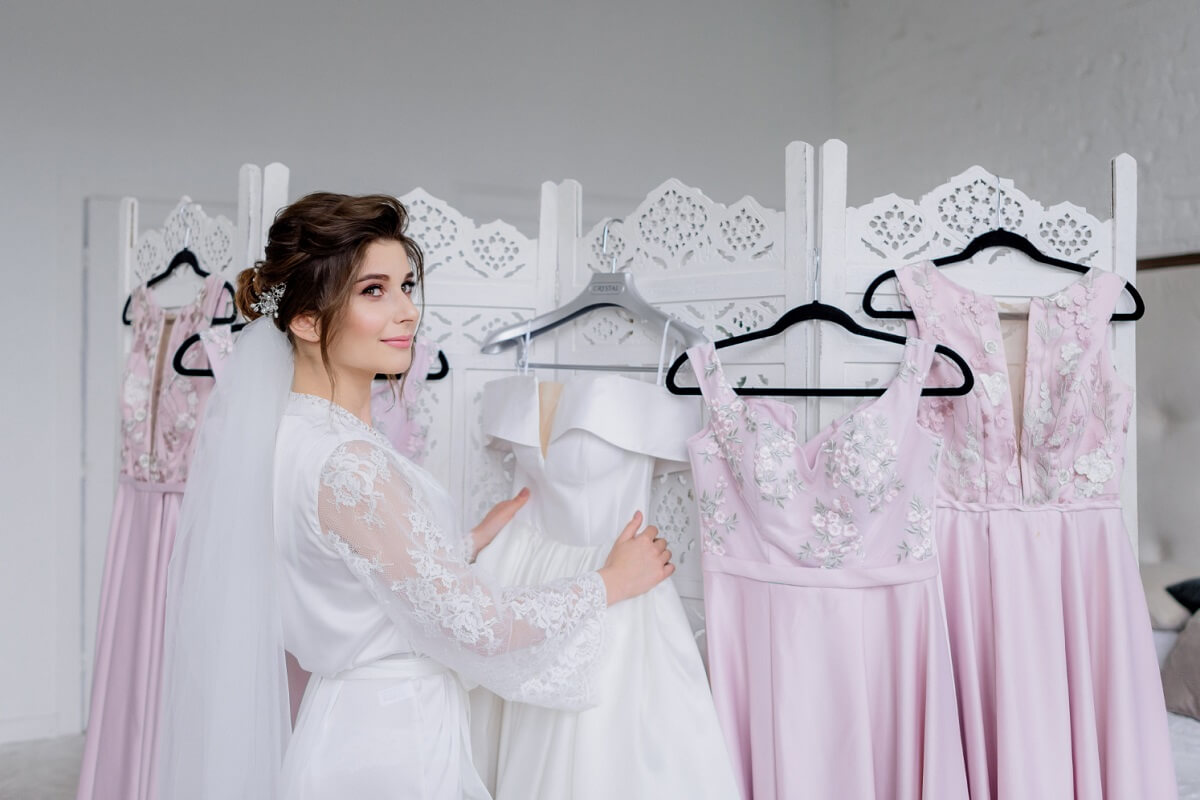
Wearing a vintage wedding dress – perhaps passed down from your mother or grandmother – is a truly meaningful experience. These gowns are often made from beautiful, high-quality fabrics, but age, storage conditions and time can cause yellowing, stains, and general wear. Proper cleaning and restoration are essential to revive the gown while preserving its delicate structure.
Here is a clear, step by step guide to help you restore a vintage wedding dress safely and professionally.
How to Restore a Vintage Wedding Dress:
#1 – Avoid Bleaching:
Never bleach a vintage gown. Bleach can seriously weaken or damage delicate fabrics, dissolve trims and discolour decorative elements. Instead, use gentle cleaning methods suitable for aged fabrics.
#2 – Prepare the Dress:
Before cleaning, carefully remove all metal components such as:
- Buttons
- Hooks and eyes
- Clips or pins
- Snaps
- Zippers
These pieces can rust, discolour the fabric, or become damaged during washing. They can be reattached once the dress is fully cleaned and dry.
#3 – Treat Stains Carefully:
Stain removal varies greatly depending on the fabric:
- Polyester is generally more forgiving.
- Silk and satin react strongly to chemicals and require extra caution.
Always perform a spot test first to ensure the fabric reacts safely to your chosen dry cleaner. If the stains are stubborn or the fabric is extremely fragile, consider contacting a professional wedding gown dry cleaning service such as Light and Bright Dry Cleaners.
#4 – Prepare a Gentle Cleaning Bath:
You can wash the dress at home with care:
- Clean the bathtub thoroughly.
- Line it with a clean white sheet to protect the gown.
- Fill the tub with cold or lukewarm water.
- Add a mild liquid detergent.
- Gently place the gown into the bath.
#5 – Clean the Dress Using the Sheet Method:
Lift the sheet slowly to help submerge the gown evenly. This method lets the dress soak fully while minimising stress on the fabric.
- Soak the dress for up to 24 hours (or longer if needed).
- If stains remain, follow gentle stain-removal methods or seek professional help.
#6 – Dry the Dress Properly:
After soaking:
- Lay the gown flat on a large, clean surface to dry – this reduces creasing and prevents stretching.
- Alternatively, use a vinyl drying rack to minimise stress on the fabric while allowing air circulation.
#7 – Iron or Press the Gown:
When the dress is fully dry:
- Set the iron to the lowest heat setting.
- Gradually increase heat as needed.
- Stop immediately if the fabric begins to stick, discolour, or emit a burning smell.
Always check the fabric type to determine the safe heat range.
#8 – Add Final Touches:
Once the dress is restored, reattach or repair the metal components you removed earlier. This completes the restoration process.
Why Do Wedding Dresses Turn Yellow?
Vintage gowns often develop yellowing due to the natural ageing of fabric fibres, but several additional factors can accelerate the process.
#1 – Fibre Degradation:
Exposure to sunlight, heat, humidity or poor storage conditions causes fibres to break down, leading to a yellow tint across the gown.
#2 – Atmospheric Pollutants:
Nitrogen-based pollutants – from traffic, industrial emissions or household environments – can cling to fabrics and cause gradual yellowing.
#3 – Transferred Contaminants:
Storage materials can stain a gown over time. These include:
- Plastic (polythene) bags
- Cardboard boxes
- Acidic tissue paper
- Low-quality garment covers
Using archival-quality, acid-free storage materials helps prevent this.
#4 – Everyday Contaminants:
Wearing the dress exposes it to a range of stains, such as:
- Dirt from the dance floor
- Sugar from the cake
- Grass stains from outdoor photos
- Sweat, oils, and makeup
Professional wedding dress stain removal is often the safest way to restore the gown to its original beauty.
Conclusion:
With proper care, your vintage wedding dress can look stunning once again – and preserving it ensures it can be passed down for future generations. Following the steps above, or choosing a trusted specialist dry cleaner in Stoke Newington (N16), will help protect the delicate fabrics and craftsmanship that make vintage gowns so special.